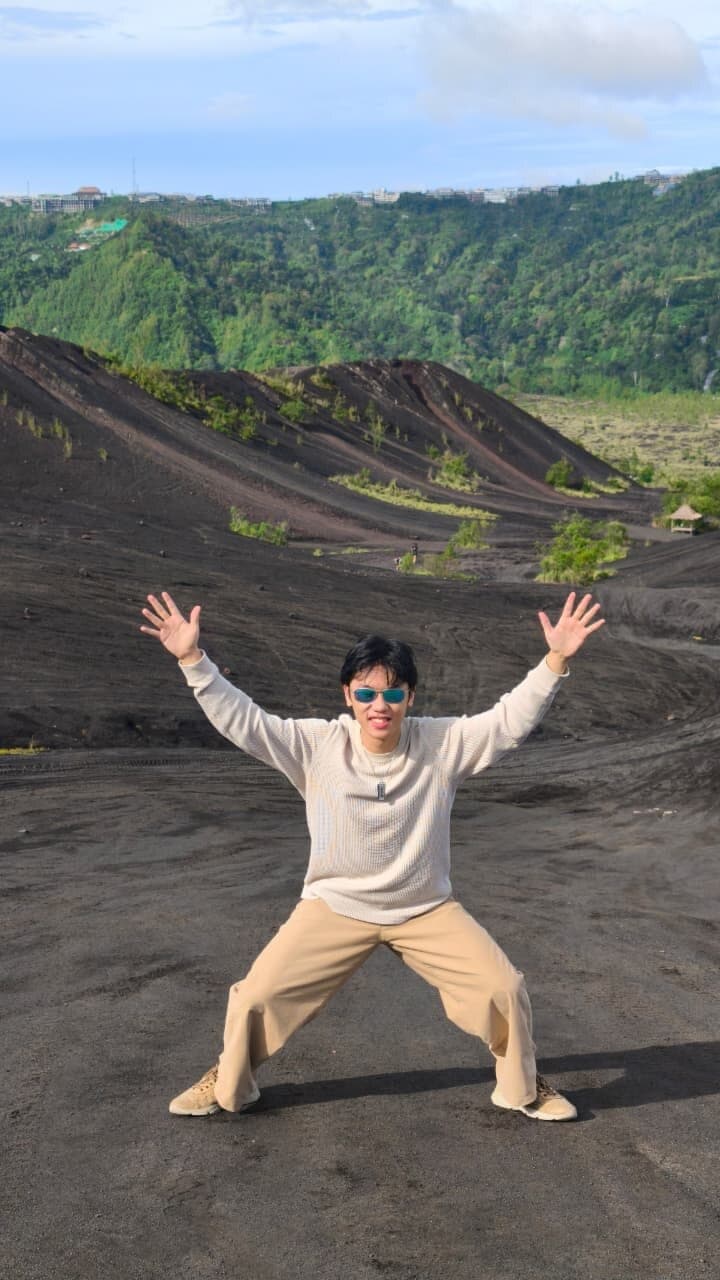
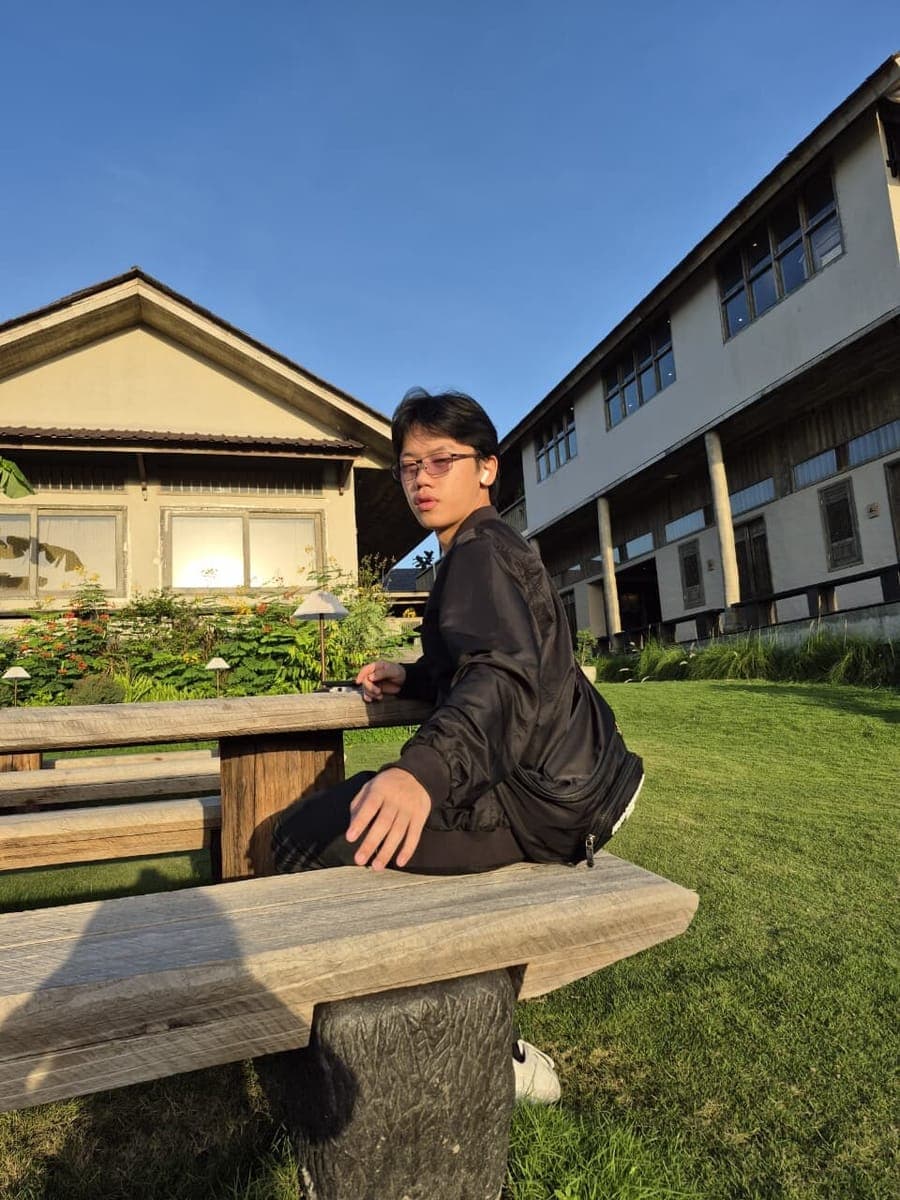
Giorgio Wilson Wong

I turn ideas
into things you
can use.

Start manual, then automate

About Me (&)My Journey

I started by filming things, then editing them, then building the things themselves.

What happened in between is easier to show than to explain.

I test software for a living and I make things for the pleasure of it. Those two habits turn out to be the same habit: take something apart carefully enough to understand why it behaves the way it does, then put it back together better.

The rule I work by is that I learn a process by hand before I let anything automate it. It is slower at the start and it has never once been the wrong call — you cannot judge what a tool got wrong if you never knew what right looked like.

My journey

Six things that
changed how I work

Not a list of what I made. The moments that decided how I make anything — including the one where the right answer was to stop.

  1. '23

    First briefs from actual strangers

    Content Creator intern at NIEC, then two weeks of social-media work at HOKIbank. The first time the brief came from someone who was not me.

    Turns out making things for other people is more fun than making them for myself.
  2. '23–'25

    Two years of showing my working

    71 posts across two blogs — research, storyboards, location plans, edit breakdowns, and the bits that went wrong.

    I would rather show the whole process than just the finished poster.

  3. '24

    Built a horror game to see if I could

    Thompsonia — a first-person maze in Unreal Engine for STEM Week. Environment, interactions, collectibles, level flow and UI, all solo.

    Games are just another thing you can make, and I want to make more of them.

  4. '24

    Started a clothing label, then called it

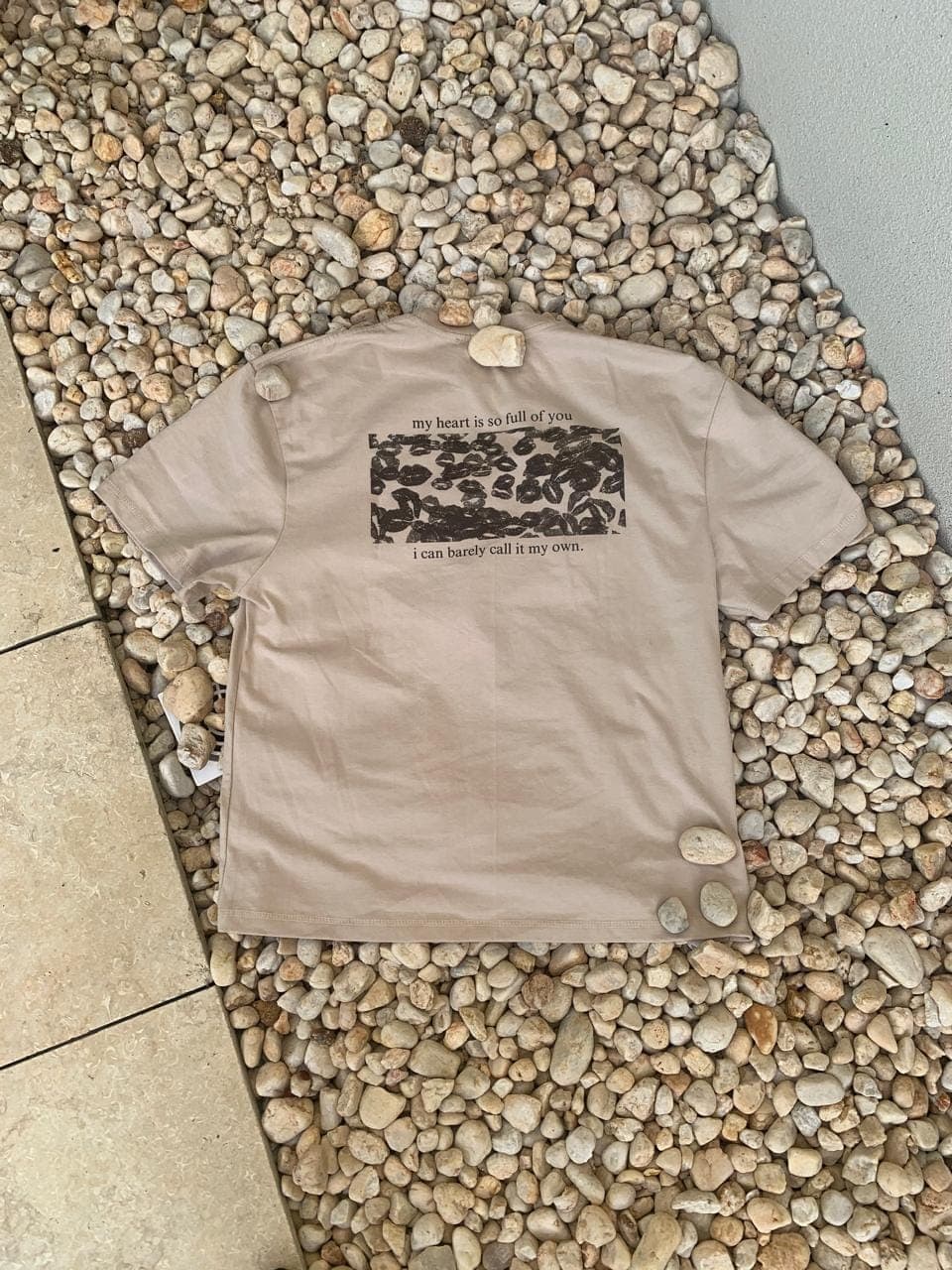
    Revora — techpack, printed prototype, website, and a proposal I presented to the school office myself.

    Knowing when a thing is not good enough yet is its own useful skill.

  5. '25

    Added the computer science half

    Finished at Regents in May, started a B.Sc. in Computer Science at BINUS in August, and kept making things throughout.

    I did not want to choose between the creative side and the technical one, so I did not.

  6. '26

    QA, which is more creative than it sounds

    Software QA/QC at Five Digital since July. Testing, reproducible reports, and an internal Help Center built in a single workday.

    Breaking software on purpose is a genuinely fun way to learn how it is built.

  7. '26

    What I actually want to build

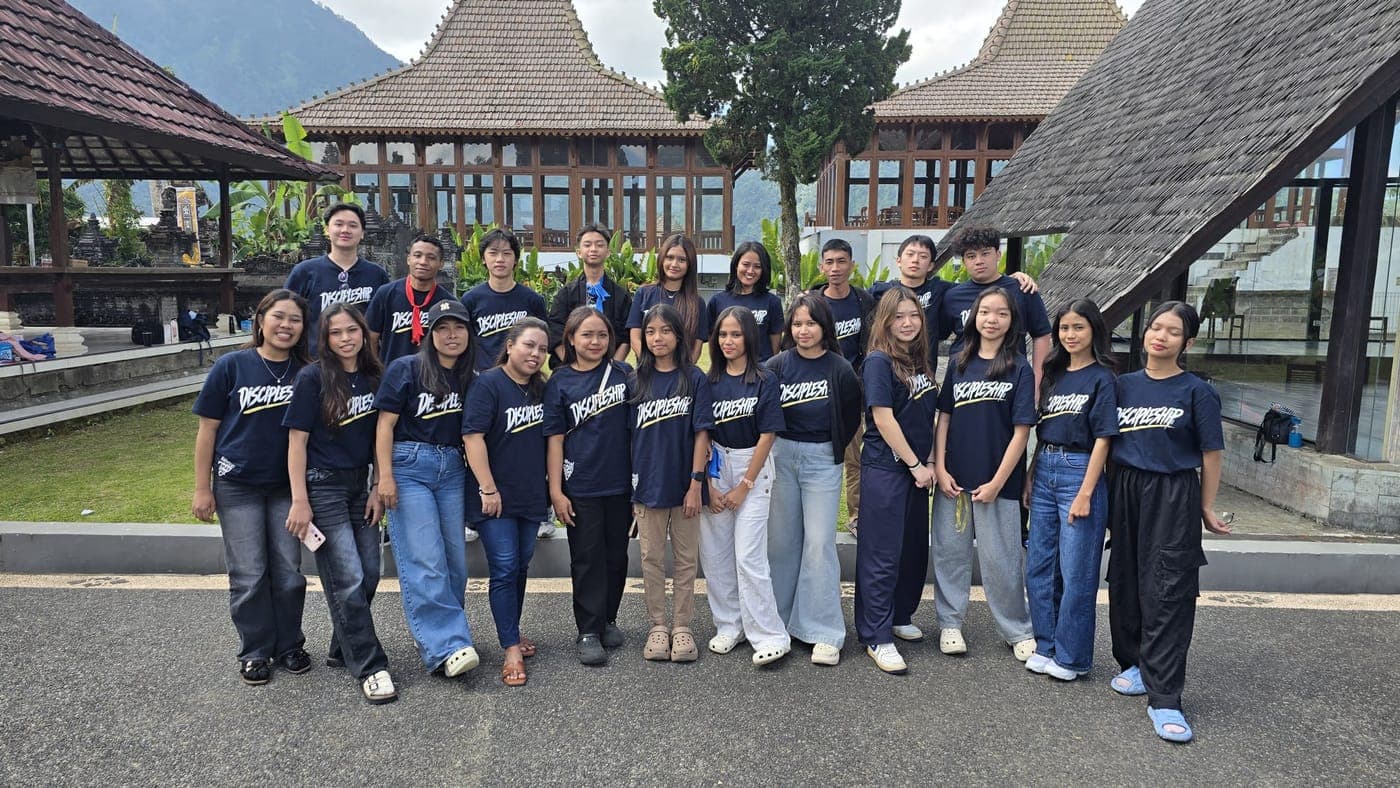
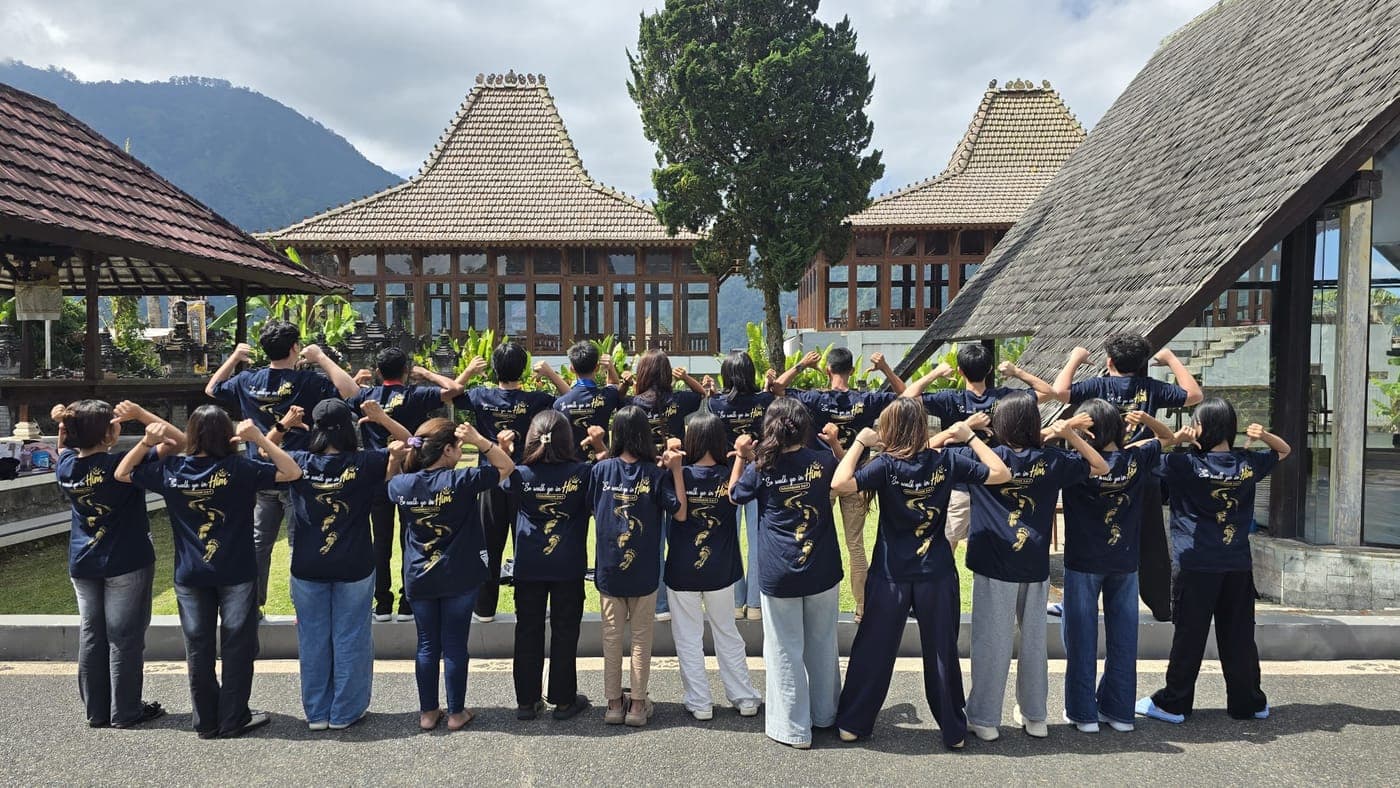
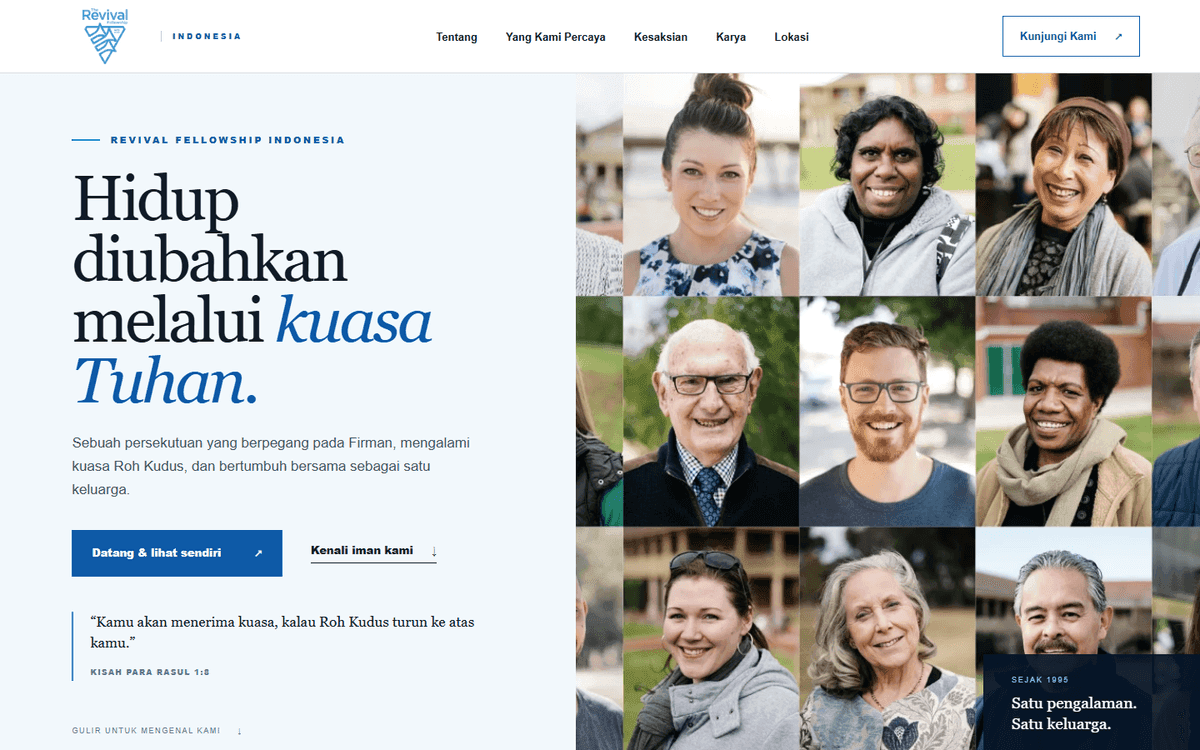
    A fellowship site growing across regions, and an apparel line for the Bali youth. Both running now, both unfinished.

    The best version of this is making things that land with people I know.

Selected work

Things I built,
filmed, or broke on purpose

Professional, academic and personal work. Where credit is shared, it says so on the card.

How I work

Manual first.AI second.Judgment always.

Learn the process by hand, find where it breaks, automate only the repetition, and say plainly which parts are finished.

  1. 01

    Learn it by hand

    I do the process manually until I understand why each step exists. You cannot review what a tool produced if you never knew what correct looked like.

  2. 02

    Find where it breaks

    Testing is not clicking through the happy path. I go looking for the edge that nobody specified, then write it up so a developer can reproduce it without asking me anything.

  3. 03

    Automate the repetition

    Once the shape of the work is clear, AI takes the parts that are repetitive and mechanical — never the parts that need a decision.

  4. 04

    Say what is actually true

    Finished, in progress and intended are three different things. I label which is which, in my reports and on this site.

What I can do

Three things Ican actually prove

Each of these is backed by work you can open, not by a self-assessment.

  • QA & testing

    Functional and usability testing, bug discovery and reproduction, and issue reports a developer can act on without a follow-up conversation.

    • Functional and usability testing
    • Reproducible issue documentation
    • AI-assisted browser testing

    Proved by Software QA/QC at Five Digital, current role

  • Film & storytelling

    Directing and editing, mostly by instinct — I cut until it lands rather than working from theory. Deciding what the story is, and what to leave out, is the part I am good at.

    • Directing and editing
    • Story and structure
    • Filming and short-form

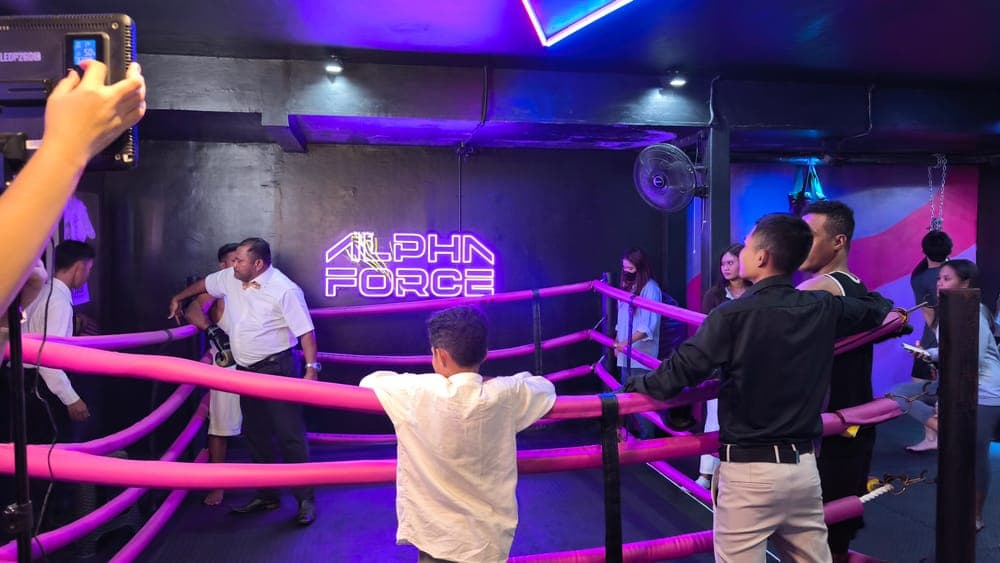
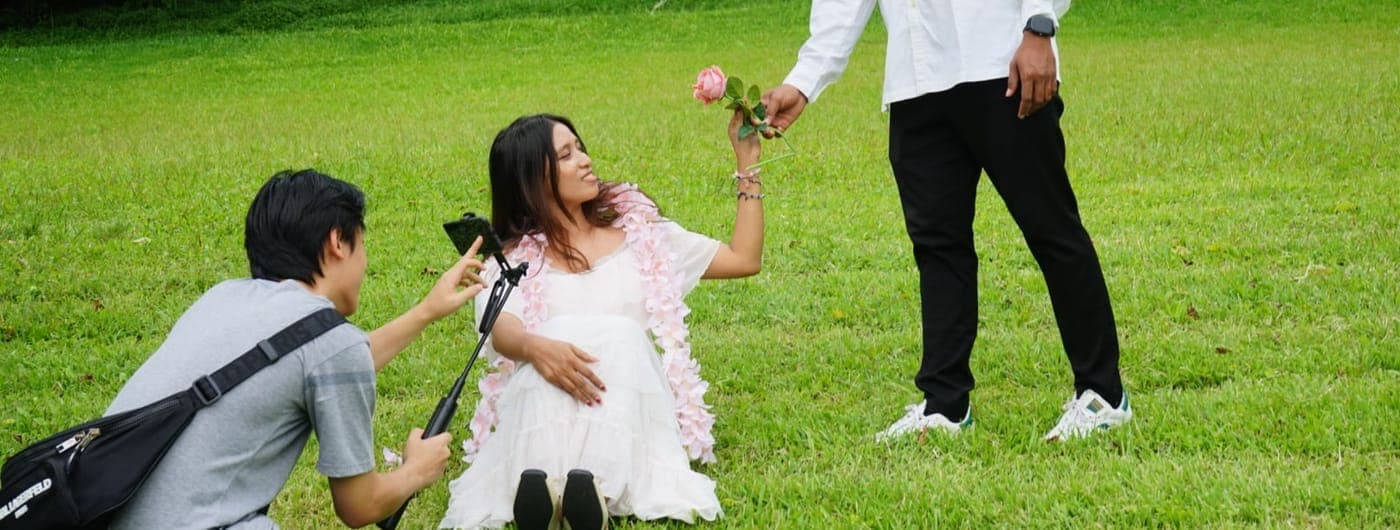
    Proved by Beyond the Belt, Newman's Plot, Leave the Door Open, wedding same-day film

  • Web & documentation

    Building sites and the documentation that makes them usable — design, information architecture, AI-assisted implementation and iteration with the people who use it.

    • Site design and build
    • Information architecture
    • Internal documentation

    Proved by Revival Fellowship site, one-workday Help Center, Revora

I am employed full time. Availability for anything beyond that is to be discussed following role confirmation and coordination with my current employer.

Tools

What I reach for,graded honestly

AI & assistants

Use regularly

Wired into the actual job, not tried once.

  • ChatGPT
  • ChatGPT Work
  • Claude Code
  • Codex
  • Cursor

Proved by The AI-assisted QA workflow at Five Digital, and this site

QA & workflow

Use regularly

Where the testing work actually happens.

  • Jira
  • GitHub
  • VS Code
  • Trello
  • Chrome Remote Desktop

Proved by Daily use at Five Digital — issue reports, tracking, review

Video & post

Use regularly

Years of it, under real deadlines.

  • CapCut
  • Canva
  • Wondershare Filmora
  • OBS

Proved by Beyond the Belt, Newman's Plot, Leave the Door Open, the wedding film

Web build

Working knowledge

I can build with these; I still look things up.

  • HTML
  • CSS
  • JavaScript
  • Next.js
  • React
  • TypeScript
  • Tailwind
  • Vercel
  • Supabase
  • Blogger

Proved by Revival Fellowship site, the Help Center, Revora, the 71-post archive

Data & computer science

Explored

Coursework and personal projects, not production experience.

  • Java
  • OOP
  • Python
  • Colab
  • NumPy
  • pandas
  • Matplotlib
  • scikit-learn
  • KMeans
  • GMM
  • PCA

Proved by BINUS assignments — data structures and computational statistics

Game & 3D

Explored

One finished thing, built alone, before I used AI to code.

  • Unreal Engine

Proved by Thompsonia — environment, interactions, level flow and UI

Credentials

Where thepaper trail leads

Including the parts that are still in progress, and the one that proves less than it sounds like.

FAQ

Got anyquestions?

The things people actually ask, answered without the sales voice.

Do you work under NDA?

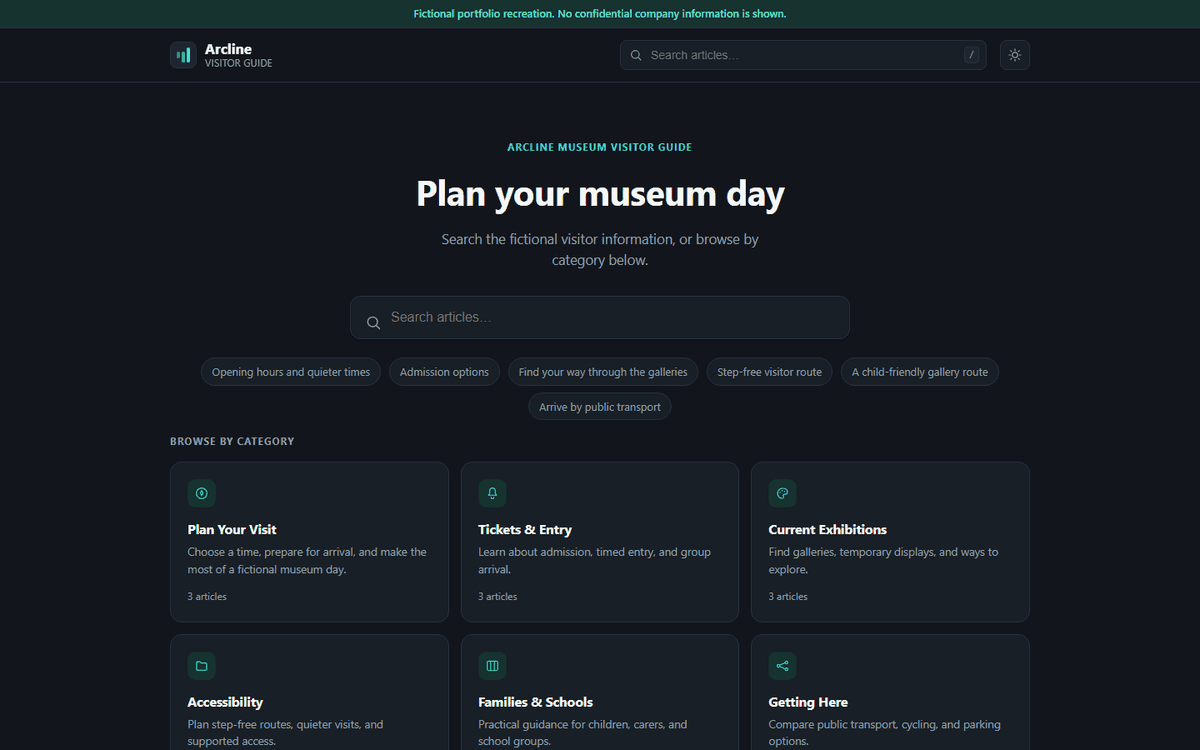
Yes — my current role involves work I cannot show, and the way this site handles it is the honest answer to the question. The Help Center I built is real and internal, so instead of showing it I built an unrelated fictional recreation to demonstrate the same craft, and I say so on the card rather than letting you assume. I am comfortable signing an NDA before we discuss anything specific.

You are studying full time. How does that work alongside a job?

The degree at BINUS is active and expected in 2030, and I work full time at Five Digital alongside it. It is not a coincidence that both are possible — the coursework is data structures, algorithms and statistics, and the job is testing software. They feed each other more than they compete. I have been running both since starting the role.

What does QA actually mean day to day for you?

Functional and usability testing, finding the edge nobody specified, and writing it up so a senior developer can reproduce it without coming back to ask me questions. The reports are the part people underrate — a bug nobody can reproduce is not a finding, it is a rumour.

You mention AI a lot. Are you just letting it do the work?

The opposite, and it is the principle the whole site is built on: I learn a process by hand before I let anything automate it. I spent my first weeks doing the manual QA workflow before wiring AI into any of it. You cannot review what a tool produced if you never knew what correct looked like. AI removes the repetition; the judgement stays mine.

Your background is films and apparel. Why should I read that as engineering?

Because the habit is the same one. A 12-hour edit, a techpack that has to survive a printer, and a bug report a developer can act on are all the same exercise: understand the thing well enough to know what breaks it. The Media Studies archive is 71 posts of that working-out done in public, including the parts that failed.

How much of this did you build yourself?

Every card says. Where credit is shared it names the person — the editing credit on Beyond the Belt, the script on Newman's Plot, the digipak on Leave the Door Open. Thompsonia and the Help Center were solo. I would rather tell you exactly where my part ended than round it up.

Are you available for freelance or project work?

I am employed full time, so anything beyond that is to be discussed following role confirmation and coordination with my current employer. If you are hiring rather than commissioning, that conversation is much simpler — WhatsApp is the fastest way to reach me.

What are you working on right now?

Two things outside the job. The Revival Fellowship site is growing from one site into something meant to serve several regions, with leaders managing their own content. And an apparel line for the Bali youth — the design system and the 2026 jacket are done and the first batch has been sampled. Production and selling are the plan, not something I have already done.

Anything I did not cover?

WhatsApp is the fastest way to reach me.

Message me on WhatsApp (opens in a new tab)